
health
Dubai ,UAE
Can Hair Transplant Improve Areas With Reduced Hair Density?
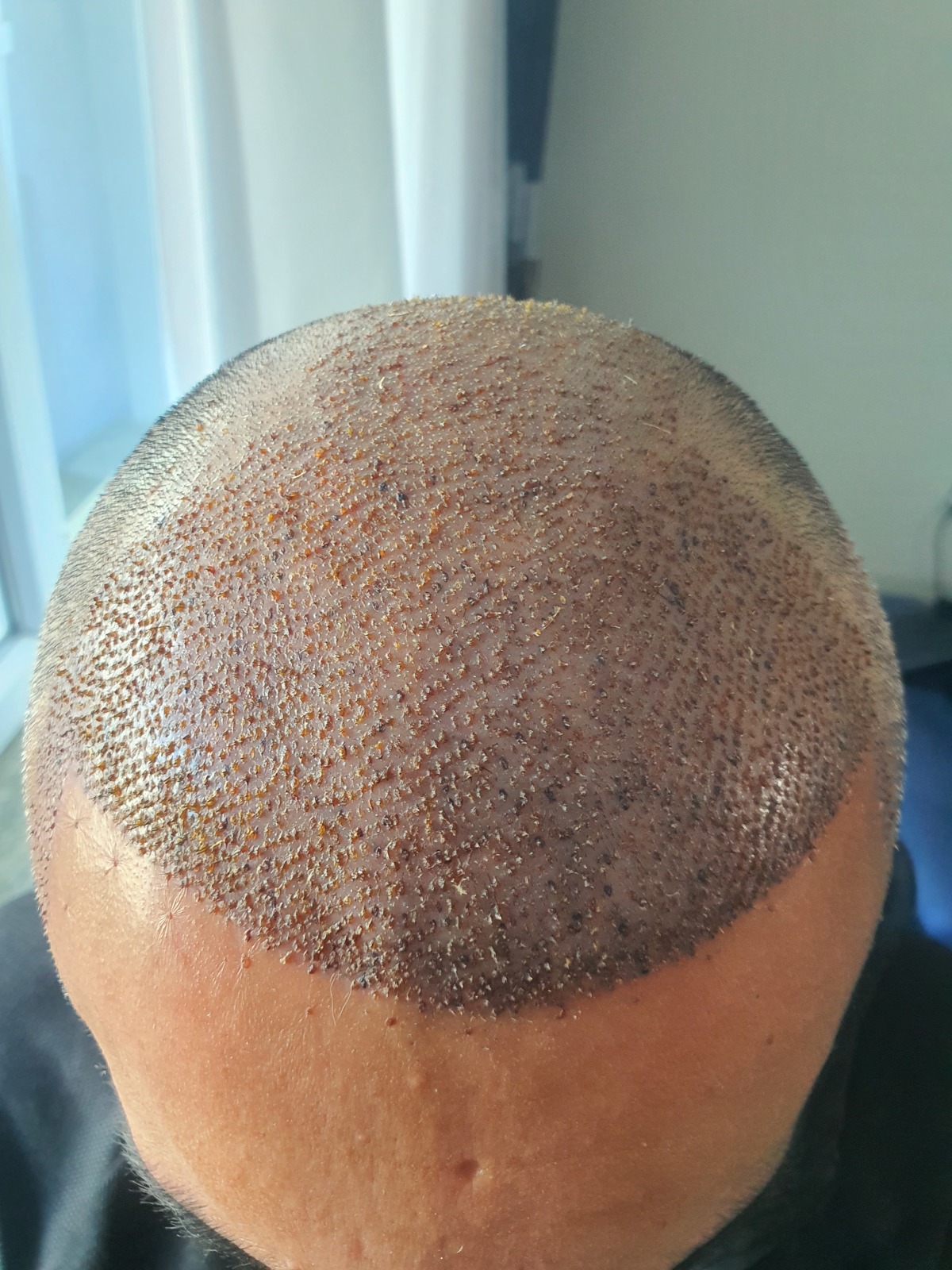
Hair density plays a major role in how full, healthy, and balanced the hair appears. When certain areas of the scalp begin to show thinning or reduced density, it can affect overall appearance and confidence. In this context, Hair Transplant in Dubai is widely discussed as a restorative approach that focuses on improving hair coverage in thinning areas by enhancing density and creating a more natural-looking hair pattern over time.
Understanding Reduced Hair Density
Reduced hair density refers to the visible thinning of hair where the scalp becomes more noticeable due to fewer hair strands per area. This condition can occur gradually and may affect specific regions such as the crown, hairline, or mid-scalp. It does not always mean complete hair loss, but rather a reduction in volume that makes the hair look less full and less evenly distributed across the scalp.
Why Hair Density Reduces Over Time
Hair density can decrease due to several factors including genetics, aging, hormonal changes, stress, and lifestyle habits. As hair follicles become weaker, they produce thinner strands or stop producing hair altogether in some areas. Environmental exposure and improper hair care can also contribute to weakening hair health. These combined factors lead to visible thinning and reduced scalp coverage over time.
How Hair Transplant Supports Density Improvement
A hair transplant helps improve hair density by redistributing healthy hair follicles from areas with stronger growth to areas experiencing thinning. This allows the scalp to regain a fuller appearance in regions where density has reduced. The goal is not only to restore coverage but also to create a natural-looking distribution that blends with existing hair for improved overall balance and appearance.
Key Ways Hair Density Improves
Enhances coverage in thinning or sparse scalp areas
Improves overall hair volume and fullness appearance
Supports a more even and balanced hair distribution
Helps restore natural-looking hairline structure
Boosts overall scalp aesthetic and confidence
Role of Hair Distribution in Natural Appearance
Hair distribution is essential for achieving a natural look. Even if hair is present, uneven distribution can make certain areas appear thin or patchy. A well-planned improvement in density helps create a balanced flow of hair across the scalp. This ensures that the hair looks fuller and more uniform, enhancing overall appearance without appearing artificial or uneven.
Importance of Targeted Density Restoration
Targeted density restoration focuses on specific areas where thinning is most visible. Instead of addressing the entire scalp uniformly, attention is given to regions that need more coverage. This approach helps achieve a more natural enhancement by improving density where it matters most, such as the hairline, temples, or crown, leading to a more visually balanced result.
Key Benefits for Thinning Areas
Improves visible fullness in sparse regions
Enhances scalp coverage and reduces patchiness
Supports natural-looking hairline refinement
Increases overall hair thickness appearance
Restores balanced hair distribution across scalp
Why Natural Appearance Matters
Natural appearance is important because hair is a key feature of facial identity. Any improvement should blend seamlessly with existing hair to avoid an artificial look. A well-planned density enhancement ensures that new growth aligns with natural direction, texture, and pattern. This creates a cohesive appearance that looks authentic and enhances overall facial harmony.
Factors That Influence Density Improvement
Several factors influence how effectively hair density improves, including the extent of thinning, hair type, scalp condition, and individual hair growth characteristics. Genetics also plays a major role in determining how hair responds to restoration efforts. Lifestyle habits such as nutrition, stress levels, and hair care routines further affect overall hair health and density outcomes.
Benefits of Improved Hair Density
Creates a fuller and healthier hair appearance
Enhances overall scalp coverage and balance
Improves confidence and self-image
Supports more youthful hair aesthetics
Reduces visible signs of thinning
Maintaining Long-Term Hair Density
Maintaining improved hair density requires consistent care and healthy habits. Proper nutrition, scalp care, and stress management help support long-term hair health. Avoiding excessive heat, harsh chemicals, and poor hair practices also contributes to maintaining density. When combined with restorative approaches, these habits help preserve fuller and healthier-looking hair over time.
FAQ's:
Can hair transplant improve areas with reduced hair density?
Yes, it helps restore coverage and improve fullness in thinning areas.
Does it work for all types of hair thinning?
It is most effective for stable and permanent thinning areas.
Will the results look natural?
Yes, it is designed to blend with existing hair for a natural look.
Does it increase overall hair volume?
Yes, it improves visible density and fullness.
Is improvement immediate?
Results develop gradually as hair grows and matures.
Conclusion
Hair Transplant can improve areas with reduced hair density by restoring coverage and enhancing overall fullness in thinning regions. It helps create a more balanced, natural-looking hair appearance by improving distribution and density. With proper care and healthy habits, the results can support long-term hair aesthetics, leading to fuller, more uniform, and confidently restored hair over time.